Warehouse Painting in Kansas City: What Industrial Facility Managers Should Demand from a Contractor

Warehouse painting isn't a cosmetic upgrade. It's asset protection, safety compliance, and in many cases, an investment in the long-term performance of your facility. The right coating system and proper surface preparation can help a warehouse floor, structural steel, or other painted surfaces stand up to years of traffic and use. Poor preparation or the wrong coating systems can lead to premature peeling, wear, and costly repairs.
If you've started calling around Kansas City for quotes, you've probably noticed most contractors market themselves as "commercial painters" without saying much about industrial-specific work. That distinction matters.
A facility manager vetting contractors for a warehouse, distribution center, or plant needs someone who understands concrete floor coatings, structural steel, high-ceiling access, and active operations, not just someone who's comfortable with a roller and a ladder. Before you sign a contract, here's what to demand from a contractor and the questions that can help identify contractors who regularly handle industrial projects from those that don’t.
Why Warehouse Painting Isn't Standard Commercial Painting
Office buildings have drywall, standard latex paint, and predictable, low-traffic conditions. Warehouses don't work that way.
You're dealing with a mix of surfaces in one building: sealed or unsealed concrete floors, structural steel beams, piping, racking systems, and ceilings that might sit thirty or forty feet up. Each of those surfaces needs a different prep method and often a different coating entirely. A contractor who treats it like all other jobs is going to miss something.
Then there's the operational side. Most warehouses can't just shut down for a week while crews work. Product still has to move, forklifts still have to run, and shifts still have to clock in. That means scheduling, containment, and sequencing become part of the job just as much as the painting itself.
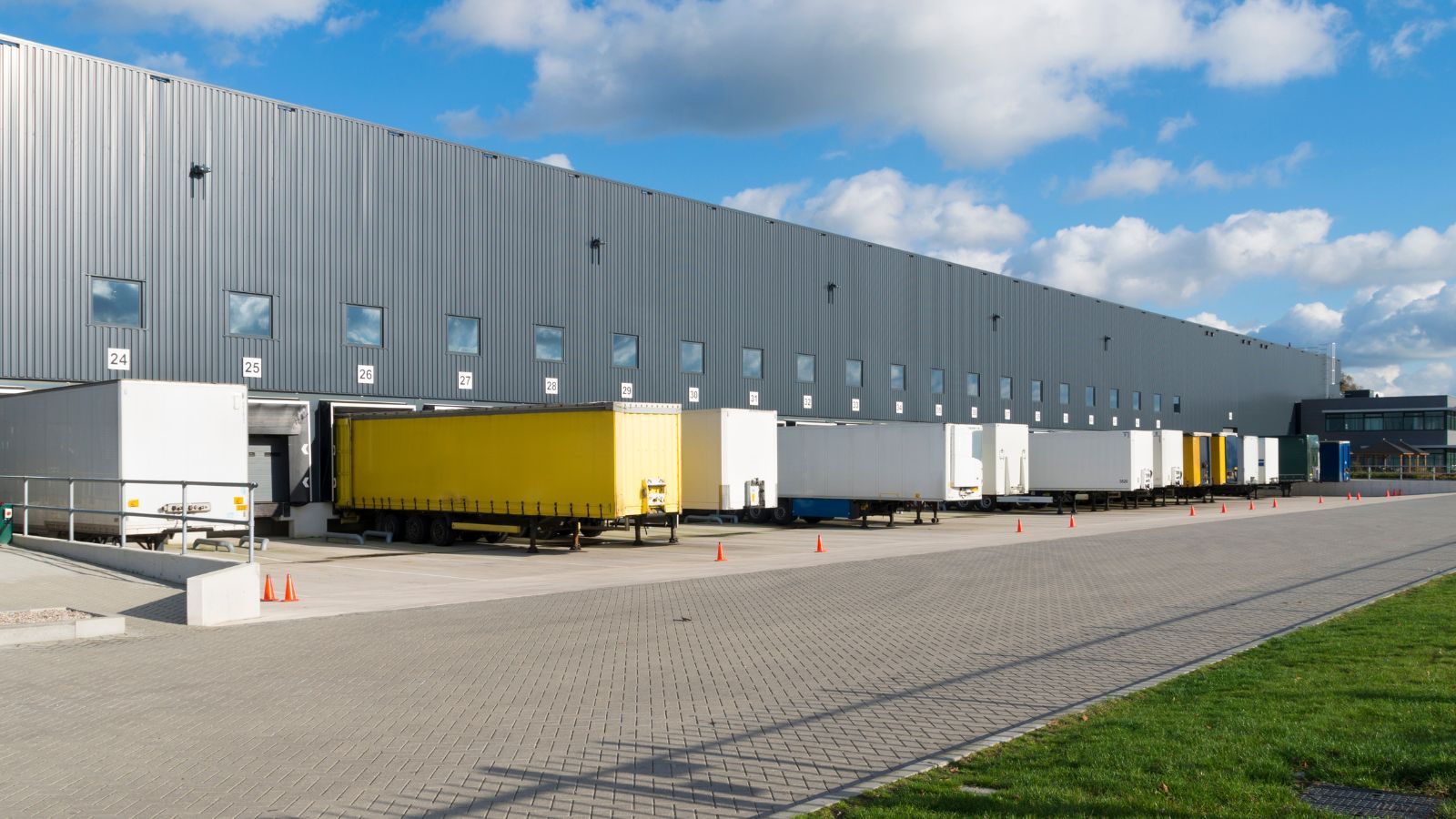
Kansas City's weather adds another variable, especially for exterior surfaces. Humidity swings through the summer and freeze-thaw cycles in the winter both affect how coatings cure, especially on loading dock and other exterior areas. A contractor without local experience may not account for that, and a coating applied at the wrong temperature or humidity level can fail well before its expected lifespan.
7 Things to Demand from an Industrial Painting Contractor
If you're comparing bids right now, you can use this as your checklist. These are the questions that will tell you quickly whether a contractor is set up for industrial work or not.
1. OSHA Compliance and Safety-Trained Crews
Industrial painting often means lift work, elevated platforms, confined spaces, and job sites where other trades and your own employees are moving around at the same time. Ask how the contractor trains its crews for the specific hazards involved in your project. Depending on the work, that may include aerial lift training, fall protection, confined-space procedures, respiratory protection, and appropriate personal protective equipment.
It's best if you don't settle for a verbal assurance that "we're safe." A qualified contractor should be able to explain its safety procedures and provide documentation of relevant training when requested.
2. A Plan to Minimize Operational Disruption
Your operations don't stop because a painting crew showed up. Ask the potential contractors, "How do you schedule work around our shifts? Do you offer off-hours, weekend, or phased scheduling?” A contractor experienced with industrial clients should be able to walk you through a plan for keeping your facility running, not just promise they’ll work it out.
3. Industrial-Grade Coatings Matched to the Specific Project
This is where a lot of general commercial painters fall short. Warehouse environments need coatings built for the conditions they'll actually face, not standard latex paint pulled off a hardware store shelf.
| Coating Type | Best For | Why It Matters |
|---|---|---|
| Epoxy floor coatings | Concrete warehouse floors, high-traffic zones | Resists abrasion, chemicals, and forklift traffic far better than standard sealers |
| Chemical and corrosion-resistant systems | Facilities with chemical, moisture/humidity, or corrosive environments | Protects structural steel and equipment from long-term degradation |
| Marine-grade finishes | Tanks, exterior steel, high-moisture areas | Built to withstand conditions standard commercial paint isn't rated for |
If a contractor can't speak specifically to which coating system fits your surfaces and exposure risks, that's a sign they're used to office buildings, not warehouses. Our Special Coatings page has more detail on the systems we use for demanding environments.
4. Surface Prep Standards
Paint and coatings can only perform as well as the surface they’re applied to. Rust removal, old coating removal, and proper substrate prep, usually through sandblasting or water blasting, are what determine whether a coating will last or fail prematurely. Skipping this step is one of the most common reasons industrial coatings fail early.
Ask contractors how they plan to prep your surfaces before the work begins. Depending on the substrate and existing condition, preparation may include cleaning, mechanical preparation, along with sandblasting or water blasting. The preparation method should be matched to the surface and the coating system being applied.
Our Sand and Water Blasting services exist specifically for this stage of the job.
5. Experience Across Your Facility Type
A contractor who's painted a hundred office lobbies hasn't necessarily painted a single distribution center. Ask for examples of warehouse, plant, or distribution facility work specifically, not general commercial projects. And don't underestimate longevity as a signal — a company that's been doing this for decades has already worked through the problems a newer contractor is still learning about. You can see examples of our warehouse and industrial work on our Our Projects page.
6. Clear Warranty and Maintenance Plans
Get specifics in writing: what's covered, for how long, and what a scheduled touch-up or repaint cadence looks like. A reputable contractor should be able to clearly explain what's covered, what isn't, and what maintenance the coating system is expected to require. Vague warranty language is usually a sign the coating system wasn't matched to your facility in the first place.
7. Local Knowledge of KC Metro Regulations and Climate
Permitting requirements and local code familiarity save you time and prevent headaches mid-project. Just as important is understanding how Kansas City's humidity and freeze-thaw cycles affect cure times, especially for exterior and dock area work. A contractor based outside the region, or one that doesn't handle industrial work regularly here, may not build that into their timeline.
What Affects Industrial Facility Repainting Cost in Kansas City?
Industrial painting costs can vary significantly from one facility to another, so if a contractor gives you a price based only on square footage, be cautious, or you may encounter unexpected additional costs.
The scope of the project can include several variables, including the condition of existing coatings, the type of surfaces being painted, required surface preparation, coating system, access requirements, ceiling height, equipment or racking that needs to be worked around, and whether the facility must remain operational during the project.
Scheduling can also affect the cost. A project that requires overnight, weekend, or phased work may have different labor requirements than a facility that can be cleared for painting during normal business hours.
When comparing bids, look beyond the bottom-line number. Make sure each contractor is pricing the same scope of work, including surface preparation, coatings, access equipment, containment, and cleanup. A lower initial bid may not be comparable if important parts of the project are excluded.
Red Flags to Watch For
A few warning signs are worth flagging before you sign a contract:
- No safety documentation or hesitation when you ask for it
- Vague timelines with no phased plan for keeping your facility operational
- One-size-fits-all pricing that doesn't account for your specific surfaces
- No mention of specific industrial coating systems, just "commercial-grade paint"
Any one of these on its own might be nothing. A few of them together usually means you're talking to a contractor who's comfortable with commercial work but not industrial-specific projects.
How Dayco Painting Approaches Industrial Projects
Dayco Painting has been doing warehouse and industrial work in Kansas City since 1980, which means we've been solving these exact problems for more than 45 years. Our crews are OSHA-trained and safety-certified for lift work, confined spaces, and active industrial sites. We work with high-performance coatings, including epoxy floor systems and chemical and corrosion-resistant finishes, matched to your facility's actual exposure and traffic conditions.
We also build every project around your operations, not the other way around. That means flexible scheduling, off-hours work when it's needed, and a plan that keeps your facility running while the work gets done. If your project needs surface prep beyond standard cleaning, our Sand and Water Blasting team handles rust and old coating removal before anything new goes on, and our Shop Finishing services cover doors, equipment, and signage that need a professional finish outside the main facility.
If you want to see the range of industries and facility types we've worked with, our Industries Served page breaks it down by sector. And if minimizing downtime is your top concern, our guide on how to plan a commercial painting project without shutting down operations walks through the scheduling approach in more detail.
Ready to talk through your warehouse painting project? Schedule your free consultation today or call 816-761-3353.
Frequently Asked Questions on Warehouse Painting
What should I look for when choosing a commercial painting contractor?
Look for experience with facilities similar to yours, appropriate safety training, a clear surface preparation process, experience working around active operations, and a coating system suited to the surfaces and conditions in your facility. Ask for examples of similar projects, details about the proposed coating system, and a clear explanation of how the contractor will minimize disruption to your operations.
How long does warehouse painting take?
It depends on the size of the facility, the surfaces involved, and whether the work is phased around your operations. A straightforward floor coating project might take a few days, while a full facility repaint with phased scheduling can take several weeks. We'll map out a specific timeline during your consultation.
Can painting happen while the facility stays operational?
In most cases, yes. With the right phasing, off-hours scheduling, and low-odor or fast-curing coatings where needed, most warehouses can stay operational throughout a project.
What coating lasts longest on warehouse floors?
Epoxy floor coatings are generally the most durable option for high-traffic warehouse floors, offering strong resistance to abrasion, chemicals, and forklift traffic. The right choice still depends on your specific exposure conditions, which is something we assess during the quote process.
How often should industrial facilities repaint?
It varies by coating type, traffic level, and environmental exposure, but most industrial coatings are built to last several years before needing touch-ups or a full recoat. A clear maintenance plan from your contractor should spell out what to expect for your facility specifically.